

Showit Website Designer for Photographers and Creatives
According to verified Upwork profile data, as of June 2026.
Showit is where photographers get the design freedom they need. It is also where I find the most search visibility left unclaimed, almost always in the mobile canvas or the blog nobody configured.
Showit Website Redesign
Migrated tamaraflemingphotography.com to a new Showit template, rebuilding 5 core pages, adding a Photographer Mentorship landing page and integrating the Showit blog. Delivered fully mobile-responsive and ready to rank.
Page Builds, SEO & Site Fixes
Built 6 new service pages for joannaandresphotography.com targeting Columbus-area search terms, structured with proper heading hierarchy and meta titles, alongside technical fixes across devices.
Showit Layout & Mobile Fixes
Diagnosed and resolved 8+ layout issues in the quiz section on samanthabove.com, correcting image sizing, fonts, spacing, alignment and button behaviour across desktop and 3 mobile breakpoints.
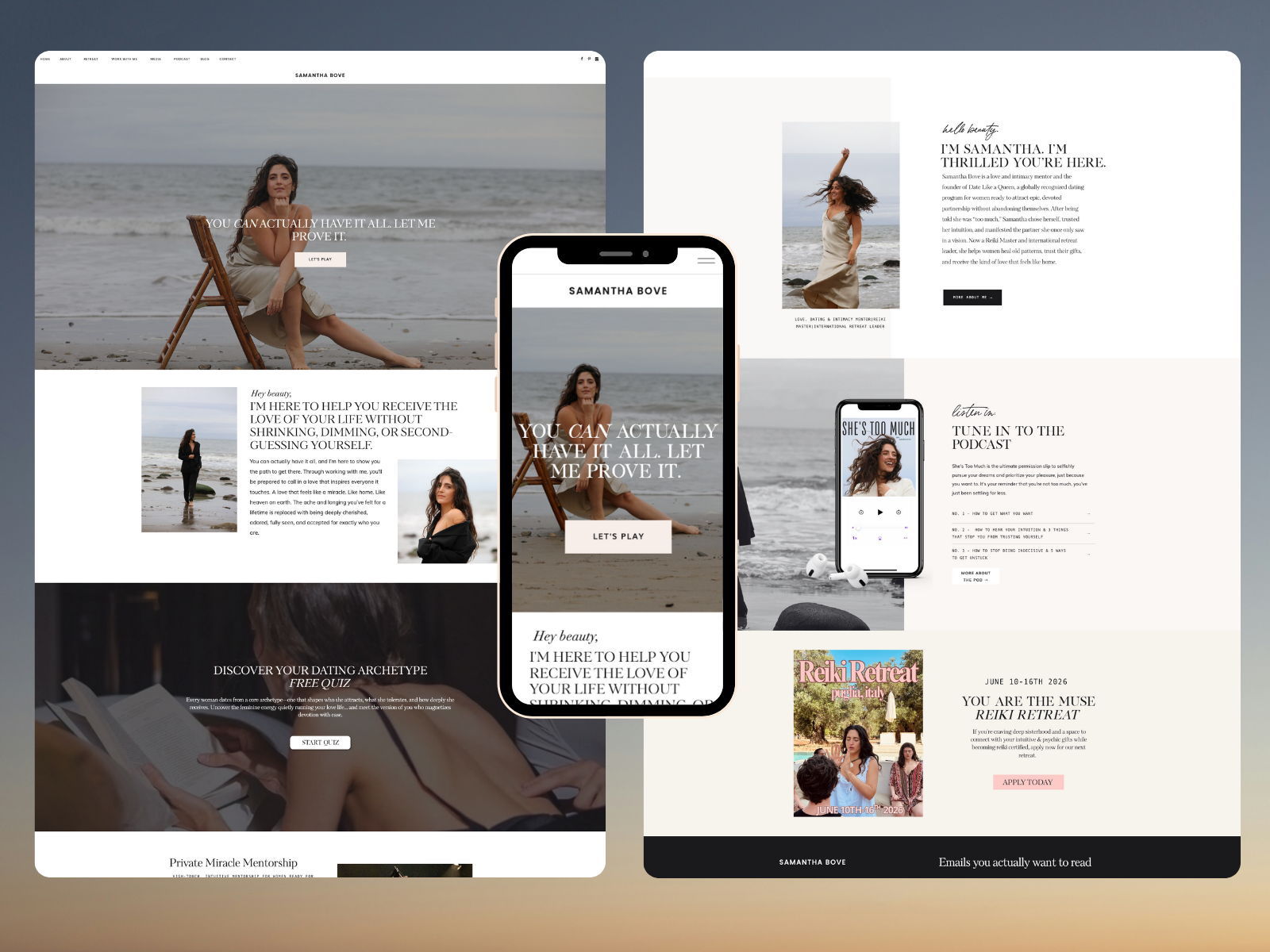
Samantha Bove
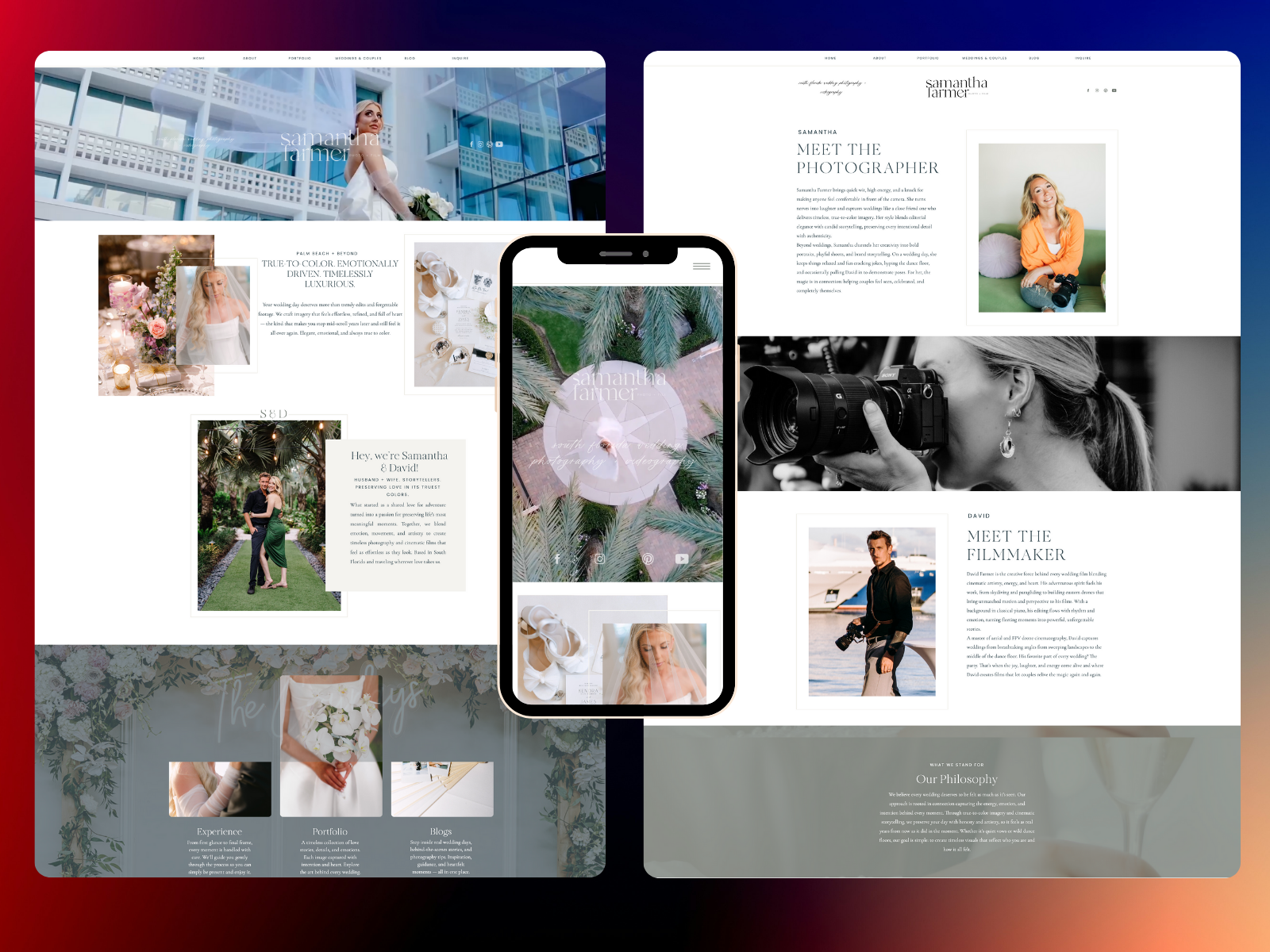
Farmer Photo & Film
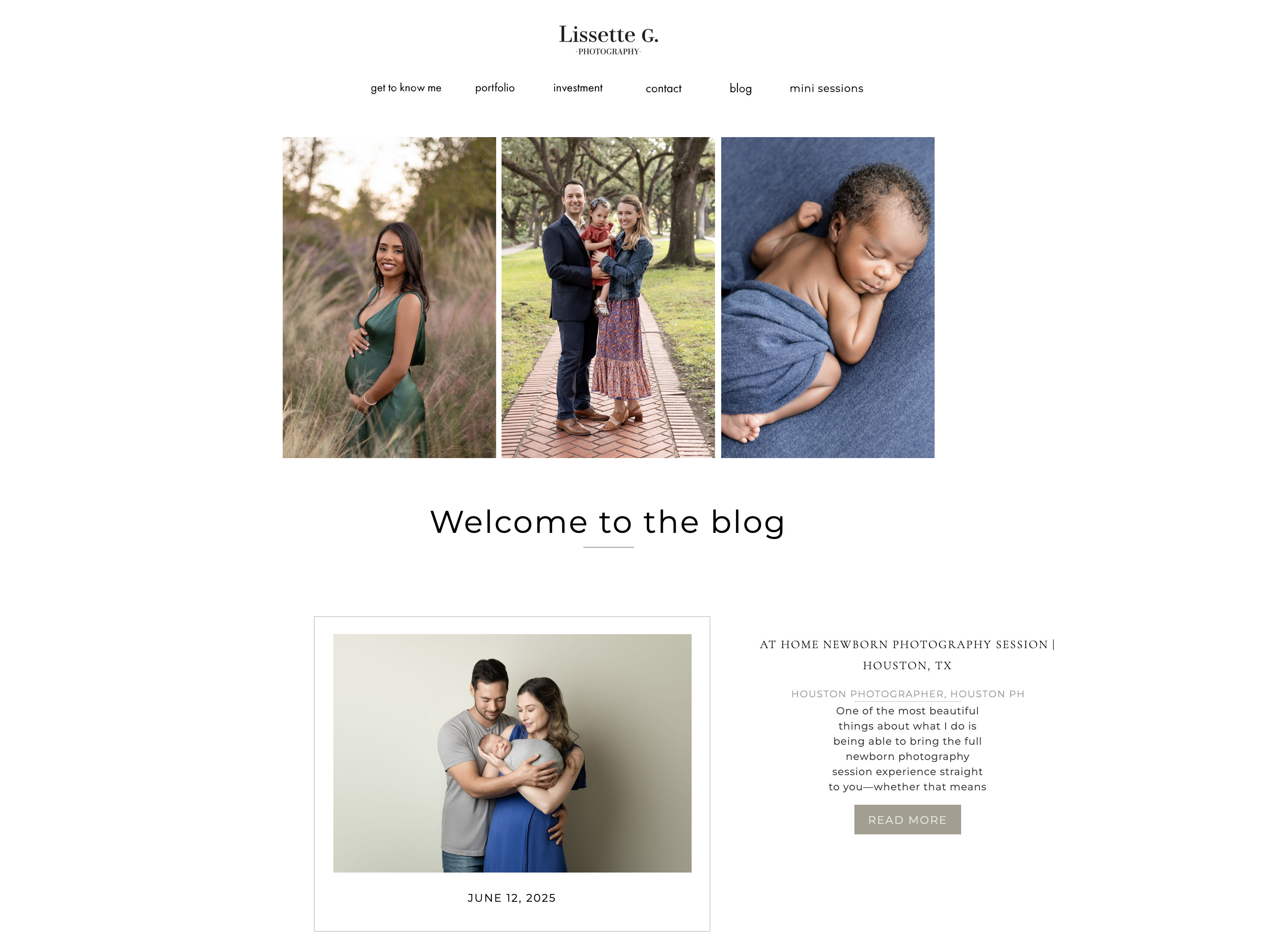
Lissette G.
The full project list across every platform is on the homepage.
What I Do on Showit
Custom Showit design
Canvas-built pages designed around your photographs rather than squeezed into a grid that fights them.
Template customisation
Starting from a Showit template and reshaping it so it stops looking like the template.
Mobile canvas rebuilds
The separate mobile canvas checked and rebuilt properly, because that is the version Google indexes.
Showit blog setup
The WordPress half configured with Yoast, real categories and working schema, so your posts can actually rank.
Showit SEO audits
Page titles, descriptions, slugs, heading structure and share images, on every page rather than just the homepage.
Layout and bug fixes
Spacing, alignment, fonts and interactive sections that broke somewhere between desktop and mobile.
Showit Questions I Get Asked
Is Showit good for SEO?
Yes. Showit gives you control over page titles, meta descriptions, URL slugs, heading tags, alt text, share images, schema, redirects and sitemap submission, and it pairs with WordPress for blogging. Showit sites rank badly when the mobile canvas and heading structure get ignored during design, not because of the platform.
What is the mobile canvas problem in Showit?
Showit gives you a separate canvas for mobile, so content can exist on desktop and simply not exist on mobile. Google predominantly indexes the mobile version, which means anything missing there is effectively missing from your site. It is the most common and most damaging Showit SEO issue.
Why does Showit use WordPress for the blog?
Showit handles design, WordPress handles content. Your pages live on the Showit canvas while your posts live in WordPress, styled to match. You get design freedom on pages and proper content tooling on posts, but it means two systems that both need configuring.
How much does a Showit website cost?
A custom Showit site typically runs between $1,200 and $3,000 depending on page count, whether the blog needs setting up and how much SEO work is included. Customising an existing template costs less.
Is Showit only for photographers?
No, but it suits them best. Any business selling something visual gets more from Showit than a template-driven builder. If your site is mostly text and functionality, WordPress or Squarespace will serve you better.
Can you fix the SEO on my existing Showit site?
Yes, and it is a large share of the Showit work I do. It usually starts with a mobile canvas audit and heading structure, then page titles and descriptions, then the WordPress blog configuration.