The best SEO for florists is local and seasonal, in that order: a Google Business Profile that wins “florist near me” and “flower delivery [town]” searches, a website with a page per occasion and per service (wedding flowers, funeral flowers, same-day delivery, subscriptions), and a calendar of pages and posts timed to Valentine’s Day, Mother’s Day, Christmas and the wedding season, published six weeks before each peak. Florists face a specific problem most local businesses do not: the national wire services (Interflora, Teleflora, 1-800-Flowers) and supermarkets buy their way onto page one for every generic flower term, so the searches a local shop can win are the ones with a place, an occasion or a service in them. The plan below is built around that, in the order that pays off soonest.
What is the best SEO for florists made of?
| Piece | Searches it wins | Priority |
|---|---|---|
| Google Business Profile | “florist near me”, “flower shop [town]”, the map pack | First; most florist enquiries start here |
| Service pages | “same day flower delivery [town]”, “wedding florist [town]”, “funeral flowers [town]” | Second |
| Occasion pages | “Valentine’s flowers [town]”, “Mother’s Day flowers delivery [town]” | Seasonal, built once and refreshed yearly |
| Product pages or a shop | “[bouquet name]” and product-level searches; conversions from every other page | If you sell online |
| Reviews | Map pack ranking and the decision | Ongoing |
| Local links and citations | Domain trust | Ongoing |
| Blog posts | Long-tail questions: “how long do peonies last”, “what flowers for a funeral” | Once the above exist |
How do you set up a florist’s Google Business Profile?
- Claim it at Google Business Profile. Category Florist; add Flower delivery, Wedding service or Gift shop only if they are real parts of the business.
- Set a service area for delivery as well as the shop address, listing the towns you deliver to.
- Fill services and products: Google shows product listings from florists prominently, with prices and photos, and they convert.
- Add photos weekly: fresh arrangements, the shop, the team. Florists have the easiest photo pipeline of any trade and most waste it.
- Set special hours for the peak days early; “closed” showing on Valentine’s morning is a real, recurring disaster.
- Turn on messaging and answer within the hour during peaks.
Google’s local ranking factors are relevance, distance and prominence. Distance you cannot change; relevance is the category, services and products; prominence is reviews and links.
What pages should a florist website have?
- Home: “[Name], florist in [town]” in the title and H1, delivery areas in the first paragraph, three routes: order online, weddings, contact.
- Same-day delivery page: the cut-off time, the areas, the fee, what is in stock today. This page ranks for the most commercial search a florist has.
- Wedding flowers page: process, starting prices, venues you have worked at (each named), a gallery, testimonials mentioning the venue.
- Funeral and sympathy page: handled gently, with delivery to named funeral directors and churches, and clear guidance on what to order.
- Occasion pages: Valentine’s, Mother’s Day, Christmas, each a real page with this year’s collection, ordering deadlines and delivery details; keep the URL the same each year and update the content.
- Subscriptions and corporate: weekly office flowers, restaurant tables; a page each if you offer them.
- About and contact: the shop, the team, the address, hours, the map.
Every one of those pages needs the town in the title and the first paragraph, as the local SEO tips explain, and the same structure works for wedding planners and other vendors the florist shares clients with.
How does the seasonal calendar work?
| Peak | Publish or refresh by | What to publish |
|---|---|---|
| Valentine’s Day (14 Feb) | Early January | Occasion page with the collection and order deadline; a post on ordering early; GBP posts weekly from late January |
| Mother’s Day (varies by country) | Six weeks before | Same pattern; note the date differs in the UK and US |
| Wedding season (spring to early autumn) | Previous autumn | Wedding page refresh, venue posts, real wedding galleries through the season |
| Christmas | Late October | Wreaths, table arrangements, corporate gifts, delivery cut-offs |
| Local events (graduation, prom, festivals) | Six weeks before | Short occasion pages or posts |
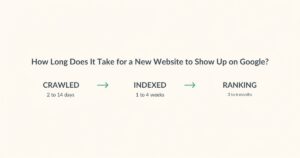
Google needs weeks to index and rank a refreshed page, so the page published the week before Valentine’s Day ranks the week after. Build each occasion page once, keep its URL, and update it every year; the accumulated age is an advantage the wire services’ churned landing pages do not have.
How do florists get reviews and links?
- Reviews: a card in every delivery with a QR code to the review link, and a follow-up message after weddings and funerals a week later. Ask for the occasion and the town in the review.
- Wedding venues and planners: recommended supplier lists link to you; ask after every wedding at a new venue.
- Funeral directors: many list local florists on their sites.
- Local directories and press: chamber of commerce, town guides, “best florist in [town]” round-ups, which usually take submissions.
- Suppliers and wholesalers: stockist pages, and the BloomNation SEO basics if you sell through that platform.
- Charity and event sponsorship: flowers for a gala in exchange for a link and a mention.
Should a florist sell online, and does it matter for SEO?
Yes for both, if the shop can fulfil it. Product pages rank for bouquet and occasion searches that no service page can, Google shows florist products directly in results, and an order button beats a phone number for the evening customer. Squarespace and Shopify both handle a small florist shop well; the Shopify store design practices apply to either, and a Squarespace build keeps the shop and the wedding pages on one site. What matters for search is that each product has its own page with a real description, not a gallery of images with prices.
What do florists get wrong?
- Competing with wire services for “flowers”. Unwinnable; the town and the occasion are the words that win.
- One page for everything. Weddings, funerals and delivery on a single page rank for none of them.
- No delivery information. The cut-off time and the areas are the most searched details and are usually missing.
- Seasonal pages created and deleted. A new URL every year starts from zero; keep and refresh.
- Instagram as the website. Gorgeous, and invisible to Google.
- Product photos with no words. Google ranks descriptions, not petals.
The profile and the service pages do the early work; the occasion pages compound year on year. The Showit florist sites post covers the design side for florists who lean on weddings, and the on-page SEO checklist is the per-page standard for all of them.
Frequently asked questions
Local and seasonal SEO: a complete Google Business Profile with products and a delivery service area, service pages for same-day delivery, weddings and funerals with the town in each, occasion pages refreshed yearly ahead of each peak, steady reviews, and links from venues, funeral directors and local directories.
Choose the Florist category, add a delivery service area, fill services and products, add photos weekly, keep hours and special hours accurate, and collect reviews that mention the occasion and the town. Relevance and prominence are the factors you control.
Town plus service or occasion: “same day flower delivery [town]”, “wedding florist [town]”, “funeral flowers [town]”, “Valentine’s flowers [town]”. Generic terms like “flowers” or “flower delivery” belong to national wire services.
Six weeks before each peak: early January for Valentine’s Day, late October for Christmas, and six weeks before Mother’s Day (the date differs by country). Keep the same URL every year and refresh the content.
It helps. Product pages rank for bouquet and occasion searches, Google displays florist products in results, and an order button converts evening visitors. Each product needs a written description to rank.
Two to three months for the map pack in most towns with a complete profile and reviews; occasion pages gain strength each year they are kept and refreshed.